Mammals of the World and Their Habitats
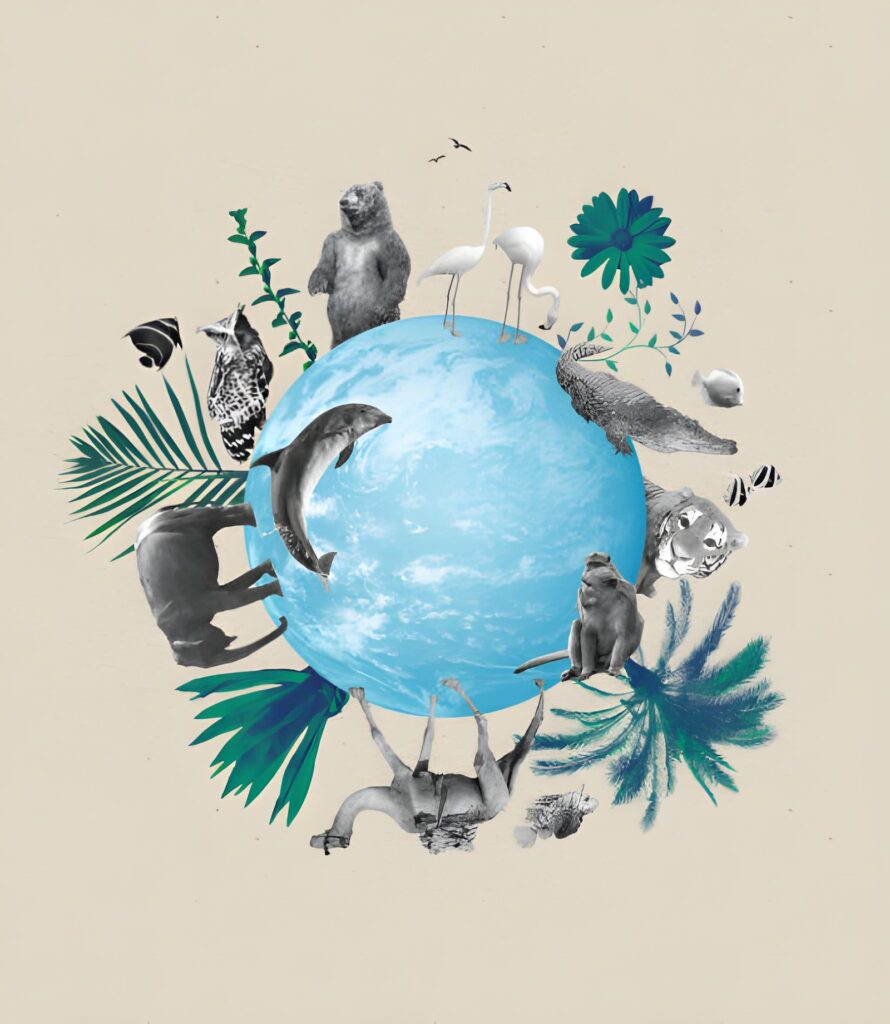
Mammals are among the most diverse and fascinating animals on Earth. From the frozen Arctic tundra to tropical rainforests, deserts, oceans, grasslands, and mountains, mammals have adapted to almost every habitat on the planet. They range in size from tiny bumblebee bats to enormous blue whales, the largest animals ever known to exist. Understanding the mammals of the world and their habitats helps us appreciate biodiversity and the importance of protecting natural ecosystems.
What Are Mammals?
Mammals are warm-blooded vertebrates that usually have hair or fur and feed their young with milk produced by the mother. Most mammals give birth to live young, although a few, such as the platypus and echidna, lay eggs. Mammals also have complex brains, allowing many species to learn, communicate, and form social groups.
There are more than 6,000 known mammal species worldwide. They belong to many different groups, including primates, carnivores, rodents, whales, bats, elephants, marsupials, and hoofed animals. Each group has unique features that help it survive in specific environments.
Mammals in Forest Habitats
Forests are home to a huge variety of mammals. Tropical rainforests, found in places such as the Amazon Basin, Central Africa, and Southeast Asia, support some of the richest mammal diversity on Earth. Monkeys, sloths, jaguars, tapirs, orangutans, and forest elephants all depend on forest habitats for food and shelter.
Many forest mammals are adapted for climbing. For example, spider monkeys have long limbs and strong tails that help them move through treetops. Sloths have curved claws for hanging from branches, while squirrels use sharp claws and excellent balance to leap between trees.
Temperate forests, found in North America, Europe, and parts of Asia, also support many mammals. Deer, bears, foxes, wolves, raccoons, and badgers live in these woodlands. Seasonal changes influence their behavior. Some mammals grow thicker fur in winter, while others store food or hibernate to survive cold months.
Grassland and Savanna Mammals
Grasslands and savannas are wide open habitats dominated by grasses rather than trees. These regions support large herds of grazing mammals. In African savannas, zebras, wildebeest, antelopes, buffalo, elephants, giraffes, and rhinos feed on grasses, leaves, and shrubs. Predators such as lions, cheetahs, hyenas, and leopards hunt these herbivores.
Speed and endurance are important adaptations in grassland habitats. Cheetahs can run at incredible speeds to catch prey, while gazelles and antelopes rely on quick movement and sharp senses to escape danger. Many grassland mammals live in groups for protection, making it easier to detect predators.
In North American prairies, bison once roamed in massive herds. Prairie dogs, coyotes, pronghorns, and ground squirrels are also important grassland mammals. These animals help maintain the ecosystem by grazing, digging burrows, and serving as prey for other species.
Desert Mammals and Their Adaptations
Deserts are harsh environments with extreme temperatures and limited water. However, many mammals have evolved special adaptations to survive there. Camels are among the best-known desert mammals. Their bodies can tolerate dehydration, and their humps store fat that can be used for energy when food is scarce.
Other desert mammals include fennec foxes, kangaroo rats, meerkats, oryx, and desert hares. Many are nocturnal, meaning they are active at night when temperatures are cooler. Kangaroo rats can survive with very little water, getting most of the moisture they need from seeds.
Desert mammals often have large ears, light-colored fur, or specialized kidneys to help regulate body temperature and conserve water. These adaptations allow them to thrive in environments where many other animals cannot survive.
Arctic and Polar Mammals
Polar habitats are cold, icy, and challenging, but several mammals are well adapted to life in these regions. In the Arctic, polar bears, Arctic foxes, musk oxen, caribou, walruses, and seals are important species. Thick fur, layers of fat, and compact bodies help these mammals retain heat.
Polar bears are powerful predators that rely heavily on sea ice to hunt seals. Arctic foxes change their coat color with the seasons, becoming white in winter for camouflage and brown or gray in summer. Caribou migrate long distances in search of food, showing how movement is vital for survival in extreme environments.
In Antarctic waters, marine mammals such as seals and whales are common. Although no land mammals naturally live in Antarctica, the surrounding ocean provides rich feeding grounds for many species.
Marine Mammals of the Oceans
Oceans cover most of the Earth, and several mammal groups have adapted to life in water. Marine mammals include whales, dolphins, porpoises, seals, sea lions, manatees, dugongs, and sea otters. These animals breathe air but spend much or all of their lives in aquatic habitats.
Whales are divided into baleen whales and toothed whales. Baleen whales, such as blue whales and humpback whales, filter tiny organisms like krill from the water. Toothed whales, such as orcas and sperm whales, hunt fish, squid, and marine mammals.
Dolphins are known for their intelligence, social behavior, and communication skills. Sea otters use tools to open shellfish, while seals and sea lions are excellent swimmers that come ashore to rest, breed, or raise young.
Marine mammals face threats from pollution, climate change, ship strikes, fishing nets, and habitat loss. Protecting oceans is essential for their survival.
Mountain Mammals
Mountain habitats can be cold, rocky, and low in oxygen. Mammals that live in mountains have strong legs, thick coats, and excellent balance. Snow leopards, mountain goats, ibex, yaks, pikas, and llamas are examples of mountain mammals.
Snow leopards live in the high mountains of Central Asia and are adapted for stealth and climbing. Their long tails help them balance on cliffs and stay warm in freezing temperatures. Mountain goats have special hooves that grip rocky surfaces, allowing them to climb steep slopes and escape predators.
Mountain mammals often migrate to lower elevations in winter when food becomes difficult to find. Their survival depends on healthy alpine ecosystems.
Human Impact on Mammal Habitats
Many mammals of the world are threatened by human activities. Deforestation, agriculture, mining, urban development, hunting, pollution, and climate change are destroying or altering habitats. When habitats disappear, mammals lose food sources, breeding areas, and safe places to live.
Some species, such as tigers, orangutans, elephants, and rhinos, are endangered because of habitat loss and illegal wildlife trade. Marine mammals are affected by plastic pollution, noise pollution, and warming oceans. Grassland mammals suffer when natural prairies and savannas are converted into farmland.
Conservation efforts are essential. National parks, wildlife reserves, habitat restoration, anti-poaching laws, and sustainable land use can help protect mammals and their ecosystems. Individuals can also support conservation by reducing waste, choosing sustainable products, and learning about wildlife protection.
Why Mammals and Their Habitats Matter
Mammals play important roles in ecosystems. Some spread seeds, pollinate plants, control insect populations, or maintain grasslands through grazing. Predators help keep prey populations balanced, while burrowing mammals improve soil health.
The habitats of mammals also support countless other species, including birds, reptiles, insects, plants, and fungi. Protecting mammal habitats means protecting entire ecosystems.
Conclusion
The mammals of the world and their habitats show the incredible adaptability of life on Earth. Whether living in forests, deserts, oceans, grasslands, mountains, or polar regions, mammals have evolved unique ways to survive. However, many species now face serious threats from human activity and environmental change. By understanding and protecting mammal habitats, we help preserve global biodiversity for future generations.