Harvard Blog

Sample Page

Author: admin

  • Mammals of the World and Their Habitats

    Mammals of the World and Their Habitats

    Mammals are among the most diverse and fascinating animals on Earth. From the frozen Arctic tundra to tropical rainforests, deserts, oceans, grasslands, and mountains, mammals have adapted to almost every habitat on the planet. They range in size from tiny bumblebee bats to enormous blue whales, the largest animals ever known to exist. Understanding the mammals of the world and their habitats helps us appreciate biodiversity and the importance of protecting natural ecosystems.

     What Are Mammals?

    Mammals are warm-blooded vertebrates that usually have hair or fur and feed their young with milk produced by the mother. Most mammals give birth to live young, although a few, such as the platypus and echidna, lay eggs. Mammals also have complex brains, allowing many species to learn, communicate, and form social groups.

    There are more than 6,000 known mammal species worldwide. They belong to many different groups, including primates, carnivores, rodents, whales, bats, elephants, marsupials, and hoofed animals. Each group has unique features that help it survive in specific environments.

     Mammals in Forest Habitats

    Forests are home to a huge variety of mammals. Tropical rainforests, found in places such as the Amazon Basin, Central Africa, and Southeast Asia, support some of the richest mammal diversity on Earth. Monkeys, sloths, jaguars, tapirs, orangutans, and forest elephants all depend on forest habitats for food and shelter.

    Many forest mammals are adapted for climbing. For example, spider monkeys have long limbs and strong tails that help them move through treetops. Sloths have curved claws for hanging from branches, while squirrels use sharp claws and excellent balance to leap between trees.

    Temperate forests, found in North America, Europe, and parts of Asia, also support many mammals. Deer, bears, foxes, wolves, raccoons, and badgers live in these woodlands. Seasonal changes influence their behavior. Some mammals grow thicker fur in winter, while others store food or hibernate to survive cold months.

     Grassland and Savanna Mammals

    Grasslands and savannas are wide open habitats dominated by grasses rather than trees. These regions support large herds of grazing mammals. In African savannas, zebras, wildebeest, antelopes, buffalo, elephants, giraffes, and rhinos feed on grasses, leaves, and shrubs. Predators such as lions, cheetahs, hyenas, and leopards hunt these herbivores.

    Speed and endurance are important adaptations in grassland habitats. Cheetahs can run at incredible speeds to catch prey, while gazelles and antelopes rely on quick movement and sharp senses to escape danger. Many grassland mammals live in groups for protection, making it easier to detect predators.

    In North American prairies, bison once roamed in massive herds. Prairie dogs, coyotes, pronghorns, and ground squirrels are also important grassland mammals. These animals help maintain the ecosystem by grazing, digging burrows, and serving as prey for other species.

     Desert Mammals and Their Adaptations

    Deserts are harsh environments with extreme temperatures and limited water. However, many mammals have evolved special adaptations to survive there. Camels are among the best-known desert mammals. Their bodies can tolerate dehydration, and their humps store fat that can be used for energy when food is scarce.

    Other desert mammals include fennec foxes, kangaroo rats, meerkats, oryx, and desert hares. Many are nocturnal, meaning they are active at night when temperatures are cooler. Kangaroo rats can survive with very little water, getting most of the moisture they need from seeds.

    Desert mammals often have large ears, light-colored fur, or specialized kidneys to help regulate body temperature and conserve water. These adaptations allow them to thrive in environments where many other animals cannot survive.

     Arctic and Polar Mammals

    Polar habitats are cold, icy, and challenging, but several mammals are well adapted to life in these regions. In the Arctic, polar bears, Arctic foxes, musk oxen, caribou, walruses, and seals are important species. Thick fur, layers of fat, and compact bodies help these mammals retain heat.

    Polar bears are powerful predators that rely heavily on sea ice to hunt seals. Arctic foxes change their coat color with the seasons, becoming white in winter for camouflage and brown or gray in summer. Caribou migrate long distances in search of food, showing how movement is vital for survival in extreme environments.

    In Antarctic waters, marine mammals such as seals and whales are common. Although no land mammals naturally live in Antarctica, the surrounding ocean provides rich feeding grounds for many species.

     Marine Mammals of the Oceans

    Oceans cover most of the Earth, and several mammal groups have adapted to life in water. Marine mammals include whales, dolphins, porpoises, seals, sea lions, manatees, dugongs, and sea otters. These animals breathe air but spend much or all of their lives in aquatic habitats.

    Whales are divided into baleen whales and toothed whales. Baleen whales, such as blue whales and humpback whales, filter tiny organisms like krill from the water. Toothed whales, such as orcas and sperm whales, hunt fish, squid, and marine mammals.

    Dolphins are known for their intelligence, social behavior, and communication skills. Sea otters use tools to open shellfish, while seals and sea lions are excellent swimmers that come ashore to rest, breed, or raise young.

    Marine mammals face threats from pollution, climate change, ship strikes, fishing nets, and habitat loss. Protecting oceans is essential for their survival.

     Mountain Mammals

    Mountain habitats can be cold, rocky, and low in oxygen. Mammals that live in mountains have strong legs, thick coats, and excellent balance. Snow leopards, mountain goats, ibex, yaks, pikas, and llamas are examples of mountain mammals.

    Snow leopards live in the high mountains of Central Asia and are adapted for stealth and climbing. Their long tails help them balance on cliffs and stay warm in freezing temperatures. Mountain goats have special hooves that grip rocky surfaces, allowing them to climb steep slopes and escape predators.

    Mountain mammals often migrate to lower elevations in winter when food becomes difficult to find. Their survival depends on healthy alpine ecosystems.

     Human Impact on Mammal Habitats

    Many mammals of the world are threatened by human activities. Deforestation, agriculture, mining, urban development, hunting, pollution, and climate change are destroying or altering habitats. When habitats disappear, mammals lose food sources, breeding areas, and safe places to live.

    Some species, such as tigers, orangutans, elephants, and rhinos, are endangered because of habitat loss and illegal wildlife trade. Marine mammals are affected by plastic pollution, noise pollution, and warming oceans. Grassland mammals suffer when natural prairies and savannas are converted into farmland.

    Conservation efforts are essential. National parks, wildlife reserves, habitat restoration, anti-poaching laws, and sustainable land use can help protect mammals and their ecosystems. Individuals can also support conservation by reducing waste, choosing sustainable products, and learning about wildlife protection.

    Why Mammals and Their Habitats Matter

    Mammals play important roles in ecosystems. Some spread seeds, pollinate plants, control insect populations, or maintain grasslands through grazing. Predators help keep prey populations balanced, while burrowing mammals improve soil health.

    The habitats of mammals also support countless other species, including birds, reptiles, insects, plants, and fungi. Protecting mammal habitats means protecting entire ecosystems.

     Conclusion

    The mammals of the world and their habitats show the incredible adaptability of life on Earth. Whether living in forests, deserts, oceans, grasslands, mountains, or polar regions, mammals have evolved unique ways to survive. However, many species now face serious threats from human activity and environmental change. By understanding and protecting mammal habitats, we help preserve global biodiversity for future generations.
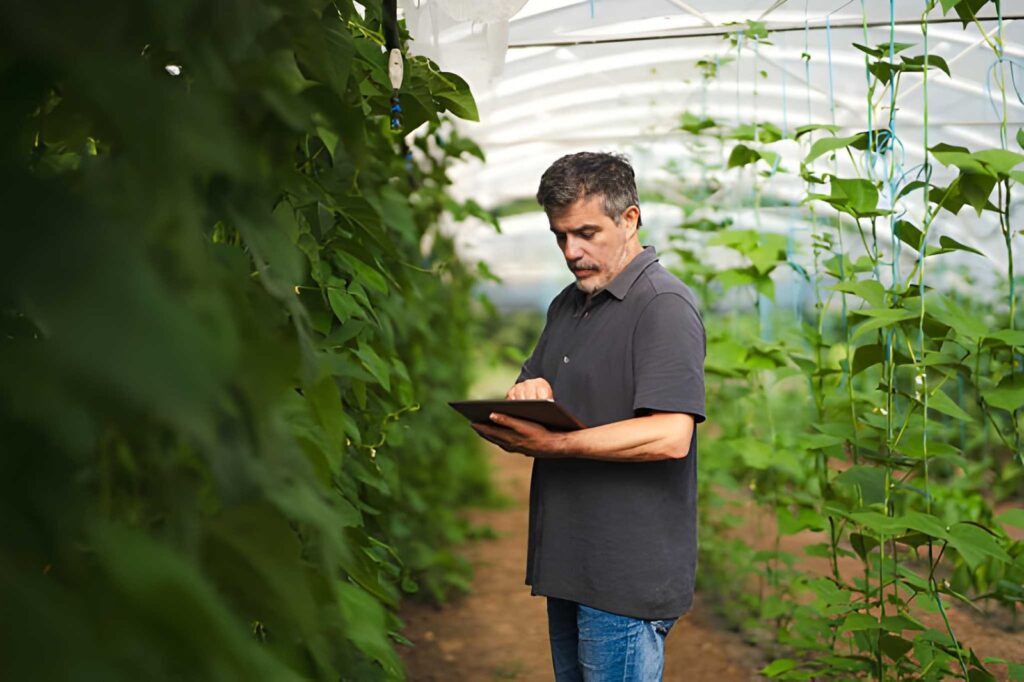

  • Agricultural Innovations Improving Food Production

    Agricultural Innovations Improving Food Production

    Agriculture is changing faster than ever before. As the global population grows, farmers must produce more food while using fewer resources, protecting the environment, and adapting to climate change. Fortunately, modern agricultural innovations are improving food production in powerful ways. From precision farming and artificial intelligence to improved seeds and vertical farms, new technologies are helping growers increase yields, reduce waste, and build more sustainable food systems.

    The Need for Innovation in Agriculture

    Food production faces many challenges. Climate change is causing more droughts, floods, heat waves, and unpredictable growing seasons. Soil degradation, water scarcity, pests, and rising input costs also make farming more difficult. At the same time, demand for food continues to rise.

    Agricultural innovations help solve these problems by making farming more efficient and resilient. Instead of relying only on traditional methods, farmers can now use data, automation, biotechnology, and sustainable practices to improve productivity. These tools do not replace farmers; they support better decisions and more effective farm management.

    Precision Agriculture and Smart Farming

    King88 đăng nhập is one of the most important innovations improving food production. It uses technology such as GPS, sensors, drones, and satellite imagery to monitor fields in detail. Farmers can see which parts of a field need water, fertilizer, or pest control and apply resources only where they are needed.

    This approach saves money and reduces environmental impact. For example, instead of spreading fertilizer evenly across an entire field, a farmer can apply the right amount to specific areas. This improves crop health, reduces runoff, and increases yields.

    Smart farming systems also collect real-time data about soil moisture, temperature, crop growth, and weather conditions. With this information, farmers can make faster and more accurate decisions. As a result, precision agriculture supports higher food production while conserving resources.

    Drones and Satellite Technology

    Drones are becoming valuable tools in modern agriculture. They can fly over fields and capture high-resolution images that reveal crop stress, disease, pest damage, or irrigation problems. These issues are often difficult to detect from the ground until they become serious.

    By identifying problems early, farmers can take action before crops are lost. Drones can also help with planting, spraying, and field mapping. In some regions, drone technology is especially useful for large farms where monitoring every acre manually would take too much time.

    Satellite technology offers similar benefits on a larger scale. Satellites can track crop development, soil conditions, and weather patterns across entire regions. This information helps farmers, governments, and food companies plan more effectively and respond to risks such as drought or disease outbreaks.

    Artificial Intelligence in Food Production

    Artificial intelligence, or AI, is transforming agriculture by analyzing large amounts of data quickly. AI systems can predict crop yields, detect plant diseases, recommend irrigation schedules, and even guide farm machinery.

    For example, AI-powered platforms can combine weather forecasts, soil data, and crop information to suggest the best time to plant, water, or harvest. This improves efficiency and reduces losses. AI can also help farmers identify pests or diseases from photos taken with a smartphone or drone.

    In livestock farming, AI can monitor animal health, feeding patterns, and movement. Early detection of illness helps farmers improve animal welfare and reduce losses. As AI becomes more accessible, it will continue to play a major role in improving food production.

    Improved Seeds and Biotechnology

    Seed innovation is another key factor in increasing agricultural productivity. Scientists are developing crop varieties that grow faster, resist disease, tolerate drought, and produce higher yields. These improved seeds help farmers grow more food in challenging conditions.

    Biotechnology can also support food production by creating crops that are more resistant to pests or environmental stress. For example, drought-tolerant crops can survive with less water, which is essential in regions facing water shortages. Disease-resistant crops reduce the need for chemical treatments and help protect harvests.

    Gene editing tools, such as CRISPR, are opening new possibilities for agriculture. They allow scientists to improve specific crop traits more precisely than traditional breeding methods. This could lead to more nutritious, resilient, and productive crops in the future.

    Vertical Farming and Controlled Environment Agriculture

    Vertical farming is an innovative method of growing crops indoors in stacked layers. These farms use controlled environments with artificial lighting, temperature control, and hydroponic or aeroponic systems. Instead of soil, plants grow in nutrient-rich water or mist.

    Vertical farms can produce food year-round, regardless of weather conditions. They also use much less land and water than traditional farming. Because they can be built in or near cities, vertical farms reduce transportation costs and provide fresher produce to urban populations.

    While vertical farming is currently most common for leafy greens, herbs, and some vegetables, the technology continues to improve. As energy costs decrease and systems become more efficient, controlled environment agriculture may become an important part of future food production.

    Sustainable Irrigation and Water Management

    Water is one of the most important resources in agriculture. Many regions are experiencing water scarcity, making efficient irrigation essential. Innovations such as drip irrigation, smart sprinklers, and soil moisture sensors help farmers use water more wisely.

    Drip irrigation delivers water directly to plant roots, reducing evaporation and waste. Smart irrigation systems can automatically adjust watering schedules based on weather forecasts and soil conditions. This ensures crops receive enough water without overuse.

    Better water management increases crop yields and protects freshwater resources. It also helps farmers adapt to drought and climate uncertainty.

    Robotics and Automation on the Farm

    Farm robotics Cá cược bóng chày and automation are helping address labor shortages and improve efficiency. Robotic machines can plant seeds, remove weeds, harvest crops, and monitor fields. Automated tractors and harvesters can work with high accuracy, reducing time and fuel use.

    Weeding robots are especially useful because they can reduce the need for herbicides. Some machines use cameras and AI to distinguish crops from weeds and remove unwanted plants mechanically. This supports more sustainable farming practices.

    Automation does not eliminate the need for skilled farmers. Instead, it allows farmers to focus on planning, management, and problem-solving while machines handle repetitive tasks.

    The Future of Agricultural Innovation

    Agricultural innovations improving food production are essential for feeding the world sustainably. Precision agriculture, drones, AI, biotechnology, vertical farming, smart irrigation, and robotics are already making farms more productive and efficient.

    The future of agriculture will depend on combining technology with sustainable practices. Farmers, researchers, governments, and businesses must work together to make these innovations affordable and accessible. By embracing modern agricultural solutions, the world can produce more food, reduce waste, protect natural resources, and build a stronger food system for future generations.

  • How to Develop Leadership Skills in School

    How to Develop Leadership Skills in School

    Leadership is one of the most valuable skills students can build Hubet đăng nhập during their school years. Whether you want to become a class representative, lead a group project, captain a sports team, or simply become more confident, learning how to develop leadership skills in school can help you succeed academically, socially, and personally. Leadership is not only about being in charge. It is about taking responsibility, communicating clearly , solving problems, supporting others, and setting a positive example.

    The good news is that leadership skills can be learned and improved with practice. School offers many opportunities for students to grow as leaders in everyday situations.

    What Are Leadership Skills?

    Leadership skills are the abilities that help a person guide, inspire, and support others. A good leader does not just give instructions. Instead, they listen, make thoughtful decisions, encourage teamwork, and help people work toward a common goal.

    Important leadership skills for students include:

    – Communication

    – Confidence

    – Responsibility

    – Teamwork

    – Problem-solving

    – Time management

    – Decision-making

    – Empathy

    – Organization

    – Adaptability

    Developing these skills in school can prepare students for college, careers, and future leadership roles.

    Why Leadership Skills Matter in School

    Leadership skills are important because they help students become more independent and responsible. Students who develop leadership qualities often perform better in group activities, build stronger relationships, and feel more confident speaking up.

    Leadership also helps students learn how to handle challenges. For example, when working on a school project, a student leader may need to divide tasks, encourage teammates, manage time, and solve disagreements. These experiences teach practical life skills that are useful far beyond the classroom.

    In addition, leadership experience can strengthen college applications, scholarship opportunities, and future job resumes. Schools and employers often look for people who can take initiative and work well with others.

    Join School Clubs and Organizations

    One of the best ways to develop leadership skills in school is to join clubs and organizations. Student council, debate club, drama club, environmental club, science club, and cultural societies all provide opportunities to practice leadership.

    At first, you do not need to be the president or captain. You can start by participating actively, sharing ideas, volunteering for tasks, and helping organize events. Over time, you may feel confident enough to run for a leadership position.

    Being part of a club teaches teamwork, planning, communication, and responsibility. It also allows students to discover their strengths and interests.

    Take Part in Group Projects

    Group projects are common in school, and they are excellent opportunities to build leadership skills. A good leader in a group project helps organize the work, listens to everyone’s ideas, and keeps the team focused.

    To show leadership during group work, you can:

    – Suggest a clear plan

    – Help assign tasks fairly

    – Encourage quieter members to speak

    – Keep track of deadlines

    – Solve problems calmly

    – Support classmates who need help

    Leadership in group projects is not about controlling everything. It is about helping the group succeed together.

    Improve Communication Skills

    Strong communication is at the heart of good leadership. Students who want to become leaders must learn how to express their ideas clearly and listen carefully to others.

    You can improve communication skills in school by participating in class discussions, giving presentations, asking questions, and practicing active listening. Active listening means paying attention, not interrupting, and responding respectfully.

    Good communication also includes body language. Making eye contact, standing confidently, and speaking in a clear voice can help you appear more confident and trustworthy.

    Build Confidence Step by Step

    Many students think leaders are naturally confident, but confidence often grows through practice. If you are shy or nervous, start with small steps. Answer a question in class, volunteer to read aloud, or offer to help with a classroom activity.

    Each small success can make you feel more comfortable taking on bigger responsibilities. Over time, you may be ready to lead a presentation, organize an event, or apply for a student leadership role.

    Remember, confidence does not mean never feeling nervous. It means trying your best even when you feel unsure.

    Learn to Be Responsible

    Responsibility is one of the most important leadership qualities. Teachers and classmates are more likely to trust students who complete tasks on time, follow through on promises, and admit mistakes.

    To become more responsible in school, manage your homework, arrive on time, prepare for classes, and take ownership of your actions. If you make a mistake, apologize and learn from it instead of blaming others.

    Responsible students naturally become leaders because others see them as dependable.

    Practice Problem-Solving

    Leaders often face challenges, so problem-solving is an essential skill. In school, problems may include conflicts between classmates, missed deadlines, difficult assignments, or event planning issues.

    When solving a problem, try these steps:

    1. Identify the problem clearly.
    2. Think of possible solutions.
    3. Consider the pros and cons.
    4. Choose the best solution.
    5. Take action and review the result.

    Practicing problem-solving helps students stay calm under pressure and make better decisions.

    Show Empathy and Respect

    Great leaders care about others. Empathy means understanding how someone else feels. In school, showing empathy can be as simple as helping a classmate who is struggling, including someone who feels left out, or listening when a friend needs support.

    Respect is also essential. A student leader should treat classmates, teachers, and school staff politely. Respectful leaders create a positive environment where people feel valued and motivated.

    Get Involved in Sports and Extracurricular Activities

    Sports and extracurricular activities are powerful ways to develop leadership skills in school. Team sports teach discipline, cooperation, motivation, and resilience. Captains and team members learn how to encourage others, handle wins and losses, and work toward shared goals.

    Other activities, such as music, art, theater, and volunteering, also build leadership. For example, organizing a school performance or charity event requires planning, teamwork, and communication.

    Ask for Feedback and Learn from Others

    Leadership growth requires self-improvement. Ask teachers, coaches, friends, or mentors for feedback on your strengths and areas to improve. Be open to constructive criticism and use it to become better.

    You can also learn by observing good leaders around you. Notice how they communicate, solve problems, manage time, and support others. Then try to apply those lessons in your own school life.

    Set Goals for Leadership Growth

    Setting goals helps you stay focused. Your leadership goals can be simple and realistic, such as:

    – Speak up once during each class discussion

    – Volunteer for one school event this term

    – Improve time management

    – Help a classmate each week

    – Apply for a club leadership role

    By setting clear goals, you can track your progress and build leadership skills gradually.

    Conclusion

    Learning how to develop leadership skills in school is an important part of personal growth. Students can become better leaders by joining clubs, participating in group projects, improving communication, building confidence, taking responsibility, and showing respect for others.

    Leadership is not about being perfect or having all the answers. It is about taking initiative, helping others, and learning Bắn cá long vương from every experience. By practicing leadership skills in school, students prepare themselves for success in education, careers, and life.

  • Hello world!

    Welcome to WordPress. This is your first post. Edit or delete it, then start writing!